Life imitates Carpenter once more
2026-05-12 19:20![[syndicated profile]](https://www.dreamwidth.org/img/silk/identity/feed.png) jwz_blog_feed
jwz_blog_feed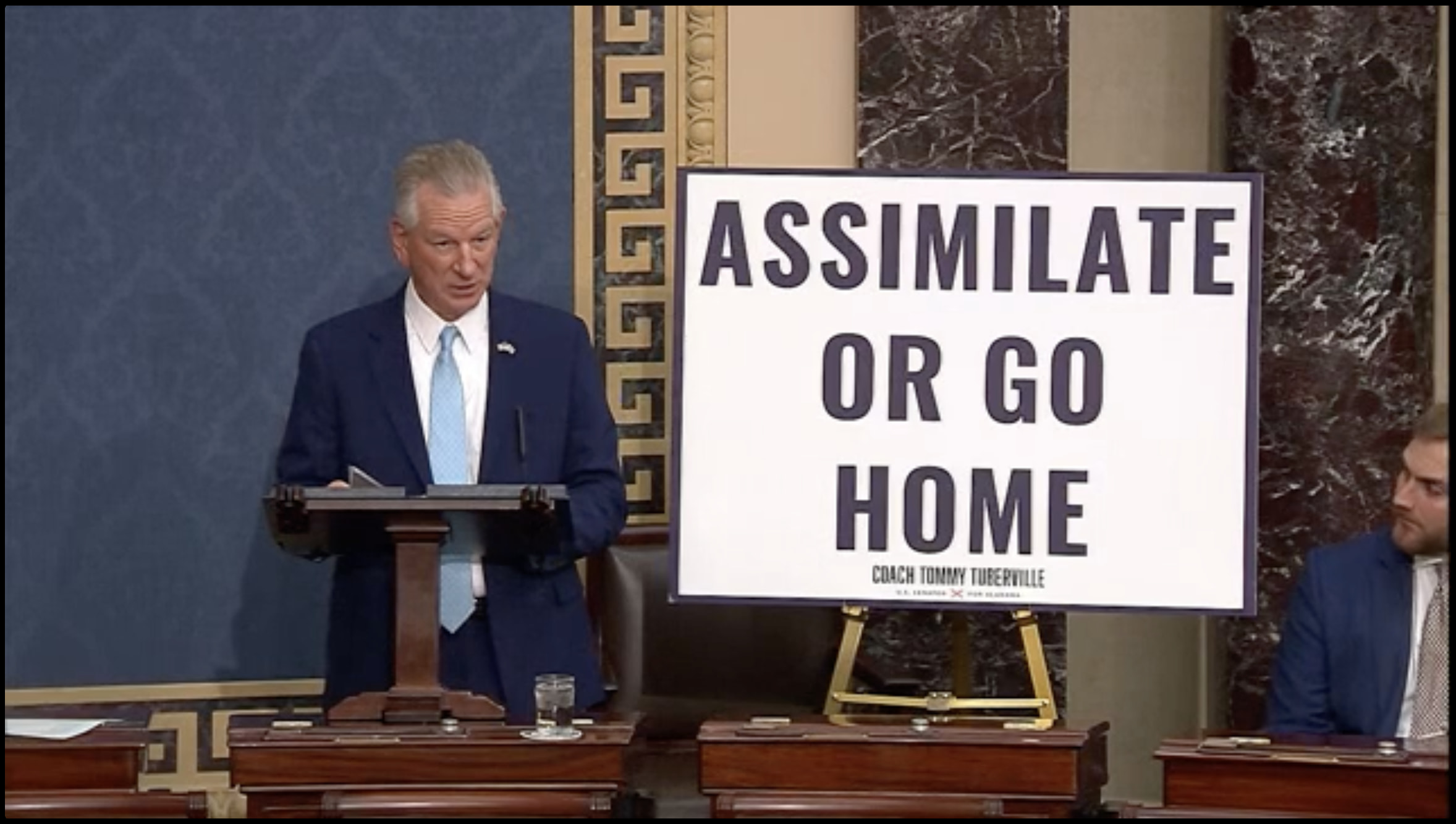
People keep describing things as "mask off" but this is just getting ridiculous.
Previously, previously, previously, previously, previously, previously, previously, previously.
jwz_blog_feedPeople keep describing things as "mask off" but this is just getting ridiculous.
Previously, previously, previously, previously, previously, previously, previously, previously.
![[personal profile]](https://www.dreamwidth.org/img/silk/identity/user.png) olivermosselisi
olivermosselisi ysabetwordsmith posting in
 ![[community profile]](https://www.dreamwidth.org/img/silk/identity/community.png) birdfeeding
birdfeeding ysabetwordsmith selengaoursin
(Mix and shake that metaphor and pour it over ice and serve it up with a wee paper umbrella!)
Somebody today on Another Site was mourning the Old Days on LJ which made me think of:
All the various Old Days in my life on and offline which were by their nature transient -
- but that transient didn't mean that they didn't have lasting effects/influence.
(I will spare dr rdrz accounts of various short-lived initiatives I encountered among the archives and in the course of Mi Researchez which nonetheless echoed down the years.)
Also that even had things not fallen out the way things did with LJ (hiss, boo, etc) by now it would almost certainly not be the same experience as it was in the 00s - people would have come, people would have gone, our interests and energies would have changed....
So we would probably be nostalgically regetting the glory days before [whenever].

 askamanager_feed
A reader writes:
I just started working for an all-remote company who announced an in-person retreat not long after I was hired. (And after I specifically asked during the hiring process if any travel was required and was assured it was not, but anyway…) I am disabled (albeit not visibly), so travel is a struggle but usually doable, and the vibes I got from leadership were “you better have a really good reason for not attending.” I was still early in my probation period, wanted to make a good impression, so I sucked it up and agreed to attend.
The retreat is coming up, and leadership has been infuriatingly coy about details, but the more they share, the more I realize this is going to be a nightmare and I physically cannot do most if any of the “fun” team-building activities. In another situation, I would pull out at this point, but my plane ticket was nonrefundable and my reputation is still on the line. I am anxious, frustrated, and just generally upset about the whole thing.
I’m meeting with my manager this week to basically disclose my disability and explain I will be sitting a lot of stuff out.
Any advice you could provide, about this conversation with my manager, how to survive the trip, how to handle questions about why I am not participating, how to professionally communicate to leadership that accessibility extends far beyond just booking accessible hotel rooms, anything would be so helpful.
This sucks, I’m sorry.
I would start with this: “As more info has been shared about activities at the retreat, I’m realizing I won’t be able to participate in most of it, and possibly none of it, because of a disability. Having to field lots of questions about why I’m not able to participate obviously isn’t a comfortable situation to be in. Would it make sense for me to skip this one and attend in the future if they’re more accessible?”
Or if you’d prefer to attend at this point, despite the situation they’ve created: “As more info has been shared about activities at the retreat, I’m realizing I won’t be able to participate in most of it, and possibly none of it, because of a disability. Can we talk about what the logistics will be since I won’t be able to do X, Y, and Z?” They may be caught off-guard and not have a good answer on the spot, so if there’s a way you’d prefer to handle it, offer that up (like “I’d be happy to attend the potato sack race and cheer from the sidelines, but for the afternoon of zip-lining, I think it would make sense for me to stay back at the hotel” or whatever you’d ideally want to do).
If you go and get questions from coworkers about why you’re not participating, it depends on how much you’re comfortable sharing. Anything like the following would work:
* “Bad back, can’t!”
* “Medical stuff, I hope you have fun though!”
* “My doctor would kill me.”
* “Medical restrictions, but it looks fun!”
If you’re breezy and matter-of-fact about it, most other people will be too. But if you encounter anyone who’s determined to “fix” the problem and find a way for you to participate (which can be well-intentioned or can just be someone who’s a busybody), you can shut that down: “Oh, I appreciate it, but this is the safest option for me so no thank you.” … “I don’t want to get into medical stuff at work, but there isn’t actually a way to make it safe for me. Go have fun, I’m fine!” … and if necessary: “Truly, no.”
I’d also recommend talking with HR to explain the situation and ask that they ensure accessibility is given more consideration in the future. It sounds like this possibility wasn’t on anyone’s radar at all, and it needs to be. Sometimes that happens when a company has never done a retreat before, or with a new and growing company that is brand new to having to consider the diverse health needs of a workforce. If they’re large and have been around a long time and have done in-person retreats before, this is a lot more startling. But either way, they need to get it on their radar now, and I’m sorry you have to be the messenger.
The post I’m too disabled for my company’s retreat appeared first on Ask a Manager.
selengamaggie33tarlanx posting in c_enttarlanx)ysabetwordsmith askamanager_feedA reader writes:
I work in a healthcare-adjacent job with a pretty generous leave policy. When folks are going to take a sick day, it’s our practice to drop a note into Teams and say, “Not feeling well, taking a sick day, contact X about Y if it’s urgent, see you tomorrow I hope.” Sometimes folks will add a bit more info — saying they have a migraine or they caught the flu going around, etc. — but there’s nothing along the lines of needing to justify it to your manager or your team. If you’re sick, you’re sick and you take your leave.
What I’m wondering about: quite often younger employees will specifically note that they are taking a mental health day when they call (or rather, message) in sick. Is that advisable? I’ve spoken with peers about this and they were also taken aback by the (mostly) Zoomers who often do this and felt that it’s an overshare.
On one hand, I appreciate that they are taking care of themselves and I suppose it’s nice to normalize self-care around mental health, especially since we work in an adjacent field. On the other hand, it seems like an overshare to me. I’ve had my struggles with mental health and totally support people using PTO however they want. But it seems … weird to share this info. Does “mental health day” mean you are dealing with suicidal ideation (or similar) or it’s just been a rough month? If you took a mental health day on Monday, do I need to treat you with kid gloves on Tuesday? What if there’s a tough conversation that needs to be had, or a ton of work that needs to be done quickly? I would hold back on doing that if it was a person’s first day back from something like bereavement leave. But if it was after a physical sick day, I’d assume that the person is back in the office and prepared to carry on as usual.
Do managers owe it to employees, especially more junior ones, to say, “Hey, you never owe an explanation about PTO, and sometimes saying ‘mental health day’ can read a little unprofessional, even if it shouldn’t”?
You can read my answer to this letter at New York Magazine today. Head over there to read it.
The post should you tell your boss you’re taking a mental health day? appeared first on Ask a Manager.
cahnyourlibrarian posting in tv_talk
annabeth_roses posting in fandom_icons

 med_cat posting in greatpoetryminoanmiss , with many thanks)adore3weeks4dreamwidth I bring you not a Kingdom of Knuffel avatar, but a Wild Knuffel. Wild Knuffel are adoptables made by users, for users! Anyone who wants to try their hand at art and use the Knuffel base to draw on can create one, and submit them for release. Once released, other users can adopt them.


 jwz_blog_feed - Life imitates Carpenter once moresp2_feed - May 12, 2026olivermoss - In which I try to talk PWHL logistics but keep going on tangents about Portland's Moda Centerelisi - Good Omens S3ysabetwordsmith in birdfeeding - Birdfeedingysabetwordsmith - Birdfeedingselenga - сар-мат! сар-мат! шай-бу! шай-бу!oursin - But the neiges d'antan melt and stir dull roots with spring raincorvidology - Sometimes the old ones are the best...askamanager_feed - I’m too disabled for my company’s retreatselenga - В Румынии начался саммит "Бухарестской девятки"maggie33 - RL is hard, but, thankfully, there is always a lot of dramas to watchtarlanx in c_ent - Fic: Yin Yáng Shi | The Yin-Yang Master (Movies - Guo Jingming) (Tarlanx)ysabetwordsmith - Politicsaskamanager_feed - should you tell your boss you’re taking a mental health day?cahn - Hugo novellas, part 1 (of presumably 2)yourlibrarian in tv_talk - TV Tuesday: Is That Who They're Supposed to Be?annabeth_roses in fandom_icons - 245 Doctor Who series 7 iconsmed_cat in greatpoetry - "As though I had wings", by Mary Oliveradore - 3w4dw: Too Cool for Skoolzvi and