
![[personal profile]](https://www.dreamwidth.org/img/silk/identity/user.png)


Though I am not naturally honest, I am so sometimes by chance
Saturday: I spent the afternoon baking a birthday cake for ![[livejournal.com profile]](https://www.dreamwidth.org/img/external/lj-userinfo.gif) rushthatspeaks with three layers of chocolate meringue and chocolate mousse. Gladly accepted a ride from my mother because that was not a cake that would have survived public transit. Delivered cake to Rush-That-Speaks and gaudior's refrigerator, where it would spend the next five and a half hours as we drove to Providence—making sure to pick up jinian first—and celebrated Rush's birthday dinner at Julian's. Fun fact: scallop rangoons are exactly what they sound like, only really good; less cream cheese, more scallop mousse. The avocado-wasabi purée that came underneath the smoked duck was so good, I think I just need to make it as a regular condiment. I had a drink called the Bruce Banner. Cachaça, chartreuse, basil and bitters and one other ingredient I cannot remember; in the low light it glowed a pale radioactive green and tasted, as Rush correctly diagnosed, as though it could Hulk out on you at any moment. I liked it when it was angry. For dessert we all split the gummy bear sorbet, because we were curious; the weird thing was not that it tasted exactly as advertised, the weird thing was that it was delicious while tasting exactly as advertised. Afterward we drove back across the highway, parked I have no idea where because I find Providence both non-contiguous and non-Euclidean, and walked around WaterFire for maybe forty-five minutes. The bonfires burning on the river were beautiful, the music a pleasant and unexpected combination of folk-pop in multiple languages and opera, and the grove of memorial lanterns was really amazing. We saw a person in a Pierrot costume poling a boat on the river; later we saw them listening to a body-positive punk brass band that was covering "Killing Me Softly" with more trombone than that song usually sees. After that my tolerance for breathing woodsmoke ran out right around the same time Rush maxed out on crowds and we retraced our steps to the car thanks to Jinian's navigation skills and Gaudior drove us home. Cake was eaten. We ended up watching old Sesame Street songs off YouTube, mostly the ones scored by Philip Glass. I got home and looked at too many apartment listings and melted down, which was not the fault of anyone I spent the evening with, including the smoked duck.
rushthatspeaks with three layers of chocolate meringue and chocolate mousse. Gladly accepted a ride from my mother because that was not a cake that would have survived public transit. Delivered cake to Rush-That-Speaks and gaudior's refrigerator, where it would spend the next five and a half hours as we drove to Providence—making sure to pick up jinian first—and celebrated Rush's birthday dinner at Julian's. Fun fact: scallop rangoons are exactly what they sound like, only really good; less cream cheese, more scallop mousse. The avocado-wasabi purée that came underneath the smoked duck was so good, I think I just need to make it as a regular condiment. I had a drink called the Bruce Banner. Cachaça, chartreuse, basil and bitters and one other ingredient I cannot remember; in the low light it glowed a pale radioactive green and tasted, as Rush correctly diagnosed, as though it could Hulk out on you at any moment. I liked it when it was angry. For dessert we all split the gummy bear sorbet, because we were curious; the weird thing was not that it tasted exactly as advertised, the weird thing was that it was delicious while tasting exactly as advertised. Afterward we drove back across the highway, parked I have no idea where because I find Providence both non-contiguous and non-Euclidean, and walked around WaterFire for maybe forty-five minutes. The bonfires burning on the river were beautiful, the music a pleasant and unexpected combination of folk-pop in multiple languages and opera, and the grove of memorial lanterns was really amazing. We saw a person in a Pierrot costume poling a boat on the river; later we saw them listening to a body-positive punk brass band that was covering "Killing Me Softly" with more trombone than that song usually sees. After that my tolerance for breathing woodsmoke ran out right around the same time Rush maxed out on crowds and we retraced our steps to the car thanks to Jinian's navigation skills and Gaudior drove us home. Cake was eaten. We ended up watching old Sesame Street songs off YouTube, mostly the ones scored by Philip Glass. I got home and looked at too many apartment listings and melted down, which was not the fault of anyone I spent the evening with, including the smoked duck.
Today: I was so exhausted that I got nothing done in the afternoon unless you think making a sandwich is serious business, but I still managed to leave the house withderspatchel in time to catch the closing night of Maiden Phoenix's inaugural all-female production of The Winter's Tale. Staged outdoor at Powderhouse Park, using the powder house itself as the backdrop for Act I and the natural stage of the climbing rocks on the other side of the park for Act II. The sun set during the intermission. I keep forgetting the play is basically a Greek romance instead of a Ruritanian one, but there's the Delphic oracle just in case you weren't sure. All of the cast were good: most vivid to me were April Singley doubling as a frightened, steadfast Antigonus and an outrageously Mummerset Shepherd, Cassandra Meyer's grave Hermione with eyes like an inlaid statue giving way in the second act to a shepherd's son just clever enough to be a fool, Sarah Mass' ribbon-bedizened Autolycus alt-rocking out "Two Maids Wooing a Man" to the admiration of rustic groupies, and Juliet Bowler as a chilling and chastened Leontes. I have drunk and seen the spider. The exit-pursued-by-a-bear was done so ferally, it made me want to want to see this company take on the Bacchae. And they reconstructed the ending in two ways I agreed with, first by undoing the neatly tied loose ends of Leontes' last speech to more emotionally nuanced effect (I know it's a comedy if it ends with a wedding, Will, but not everyone needs to pair off like place settings) and by redistributing the messenger speech of the climax among the characters each set of lines pertained to, so that Leilani Ricardo's Perdita named the recognition tokens by which she was identified as her father's daughter and the ghost of Antigonus appeared for a moment to relay the long-lost story of his death and kiss his wife, Gail Shalan's staunch Paulina, once more before vanishing, like a shade from the Greek underworld. There was a dance to see all the characters out, some in the floating jackets of their costumes, some not. It was pretty great. I am looking forward to whatever this company does next.
(But I do think the Bacchae would be fun. I've never seen a female Pentheus before.)
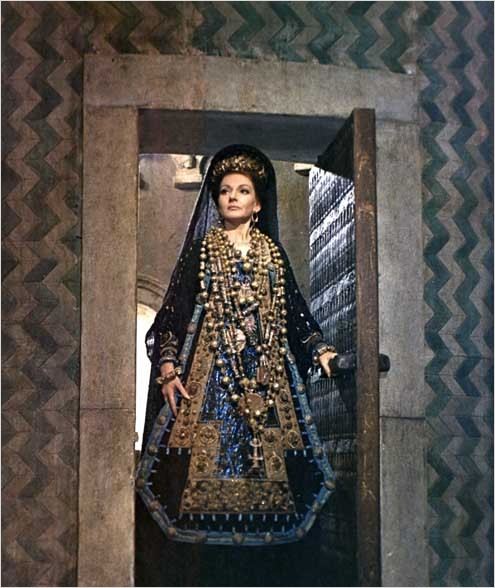
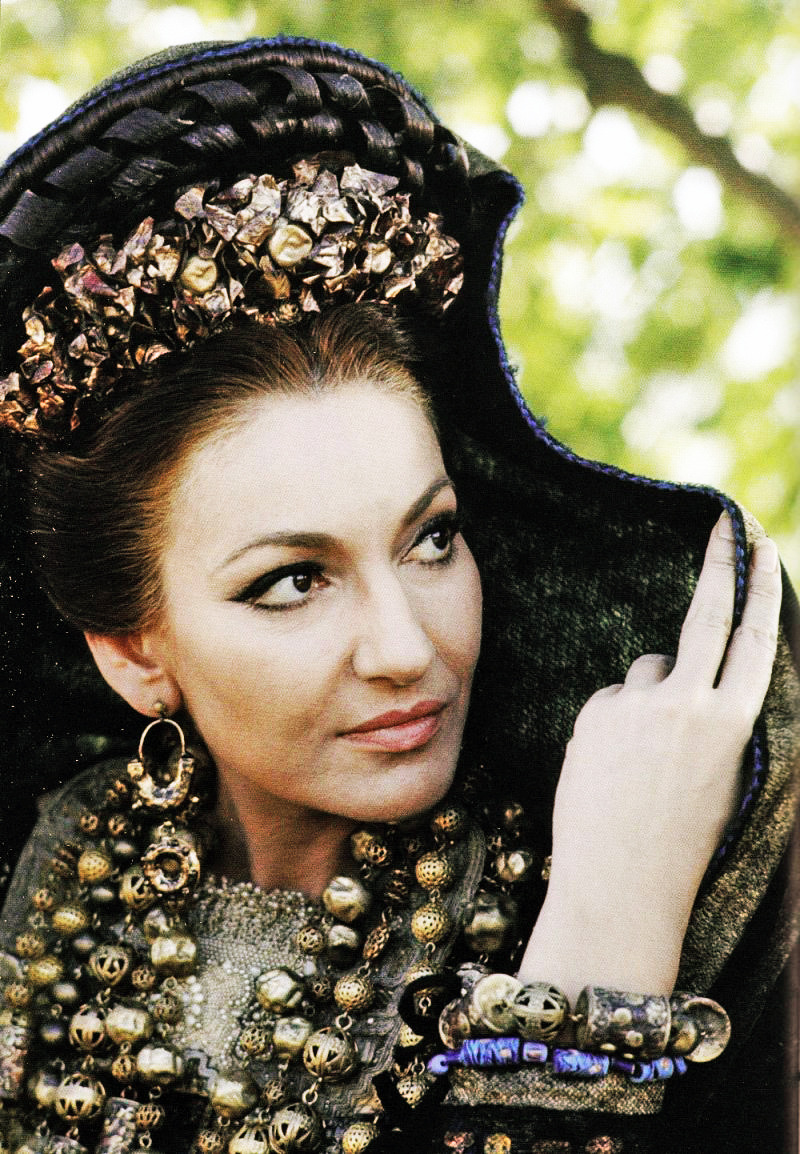
Tonight: I am looking at this Colchian woman's diadem. That's Medea's jewelry. Or would be, if my visual template for Medea's jewelry was not the archaic golden coronets and chains worn by Maria Callas in Pasolini's amazing Medea (1969), but it's still an evocative object. This black-figure kantharos just mostly makes me think of the next door neighbors' obnoxious party two weeks ago.
rushthatspeaks with three layers of chocolate meringue and chocolate mousse. Gladly accepted a ride from my mother because that was not a cake that would have survived public transit. Delivered cake to Rush-That-Speaks and gaudior's refrigerator, where it would spend the next five and a half hours as we drove to Providence—making sure to pick up jinian first—and celebrated Rush's birthday dinner at Julian's. Fun fact: scallop rangoons are exactly what they sound like, only really good; less cream cheese, more scallop mousse. The avocado-wasabi purée that came underneath the smoked duck was so good, I think I just need to make it as a regular condiment. I had a drink called the Bruce Banner. Cachaça, chartreuse, basil and bitters and one other ingredient I cannot remember; in the low light it glowed a pale radioactive green and tasted, as Rush correctly diagnosed, as though it could Hulk out on you at any moment. I liked it when it was angry. For dessert we all split the gummy bear sorbet, because we were curious; the weird thing was not that it tasted exactly as advertised, the weird thing was that it was delicious while tasting exactly as advertised. Afterward we drove back across the highway, parked I have no idea where because I find Providence both non-contiguous and non-Euclidean, and walked around WaterFire for maybe forty-five minutes. The bonfires burning on the river were beautiful, the music a pleasant and unexpected combination of folk-pop in multiple languages and opera, and the grove of memorial lanterns was really amazing. We saw a person in a Pierrot costume poling a boat on the river; later we saw them listening to a body-positive punk brass band that was covering "Killing Me Softly" with more trombone than that song usually sees. After that my tolerance for breathing woodsmoke ran out right around the same time Rush maxed out on crowds and we retraced our steps to the car thanks to Jinian's navigation skills and Gaudior drove us home. Cake was eaten. We ended up watching old Sesame Street songs off YouTube, mostly the ones scored by Philip Glass. I got home and looked at too many apartment listings and melted down, which was not the fault of anyone I spent the evening with, including the smoked duck.Today: I was so exhausted that I got nothing done in the afternoon unless you think making a sandwich is serious business, but I still managed to leave the house with
derspatchel in time to catch the closing night of Maiden Phoenix's inaugural all-female production of The Winter's Tale. Staged outdoor at Powderhouse Park, using the powder house itself as the backdrop for Act I and the natural stage of the climbing rocks on the other side of the park for Act II. The sun set during the intermission. I keep forgetting the play is basically a Greek romance instead of a Ruritanian one, but there's the Delphic oracle just in case you weren't sure. All of the cast were good: most vivid to me were April Singley doubling as a frightened, steadfast Antigonus and an outrageously Mummerset Shepherd, Cassandra Meyer's grave Hermione with eyes like an inlaid statue giving way in the second act to a shepherd's son just clever enough to be a fool, Sarah Mass' ribbon-bedizened Autolycus alt-rocking out "Two Maids Wooing a Man" to the admiration of rustic groupies, and Juliet Bowler as a chilling and chastened Leontes. I have drunk and seen the spider. The exit-pursued-by-a-bear was done so ferally, it made me want to want to see this company take on the Bacchae. And they reconstructed the ending in two ways I agreed with, first by undoing the neatly tied loose ends of Leontes' last speech to more emotionally nuanced effect (I know it's a comedy if it ends with a wedding, Will, but not everyone needs to pair off like place settings) and by redistributing the messenger speech of the climax among the characters each set of lines pertained to, so that Leilani Ricardo's Perdita named the recognition tokens by which she was identified as her father's daughter and the ghost of Antigonus appeared for a moment to relay the long-lost story of his death and kiss his wife, Gail Shalan's staunch Paulina, once more before vanishing, like a shade from the Greek underworld. There was a dance to see all the characters out, some in the floating jackets of their costumes, some not. It was pretty great. I am looking forward to whatever this company does next.(But I do think the Bacchae would be fun. I've never seen a female Pentheus before.)
Tonight: I am looking at this Colchian woman's diadem. That's Medea's jewelry. Or would be, if my visual template for Medea's jewelry was not the archaic golden coronets and chains worn by Maria Callas in Pasolini's amazing Medea (1969), but it's still an evocative object. This black-figure kantharos just mostly makes me think of the next door neighbors' obnoxious party two weeks ago.

no subject
Could you expand on that?
---L.
no subject
As far as I can tell, they entirely deleted Leontes' closing speech, so that Paulina does not get reward-married to Camillo and Leontes does not move from repentance instantly into and now about our kids' wedding. The last line I can remember being spoken was Paulina's "I, an old turtle, / Will wing me to some wither'd bough and there / My mate, that's never to be found again, / Lament till I am lost." Neither Camillo nor Polixenes was part of Hermione's return to life; at least one of the actors was playing a statue in Paulina's gallery, of which there were several scattered about the rocks in different attitudes, all important to Paulina in some way—one is of her lost husband. Leontes and Perdita alone witness the miracle, if that's what it is. The primary focus is the reunion of mother and daughter. Leontes gets to touch his wife's warm hand, but it's Perdita that Hermione weeps over and holds to her heart like a treasure. Paulina begins to go off alone from the chapel, leaving the happiness to the family while she remains solitary with her grief, but Hermione does not let her—if there's a natural explanation for this resurrection, then it's likely that Paulina has been Hermione's only companion and confidante these last sixteen years—and Perdita does not leave her mother's side. Three generations of women together start to exit stage right, laughing and crying, embracing one another; Leontes watches them go, but makes no move to follow them; he understands that Hermione was not brought back to life for him. At the last minute, Perdita looks back and sees her father sitting alone in the chapel, his face hidden by his hand. It takes him a moment to believe that she's come back for him; then he hugs her as fiercely and wonderingly as Hermione. That's the image the production closes on. It worked really well for me.
The momentary apparition of Antigonus was the other really striking touch for me. The first time I saw The Winter's Tale (1996, the Theater at Monmouth in Maine), the lingering ghost was the young prince Mamillius, the victim of Leontes' jealousy who does not come back to life: I remember him remaining onstage after all the rest of the company had departed, a little pale figure like the carving on a stele, trapped forever in the sadness of a winter's tale. In this production, after his death, he's nowhere to be seen. That's fair enough; the actor was doubling as Florizel. But it shifted the emphasis of loss toward the living and all the years that were wasted by Leontes' jealousy, and that was also satisfying to me. Paulina doesn't get her lost love back. If she's a magician, her powers don't extend to bear-gnawed bones on the Bohemian coast. Just that last echo of a slight fair-haired man with a worried look, telling his death and fading away again. It's a comedy, but it's also a problem play, and not all problems have solutions, supernatural or no.
no subject